
GReinSS is a highly versatile approach for extracting hidden biology from indirect observations, achieving state-of-the-art results in widely varying applications. Unlike typical machine learning methods for extracting continuous latent representations of the data, GReinSS discovers biologically grounded latent states, such as copy number aberrations, evolutionary trees, RNA isoforms, etc. Applying generative reinforcement learning of structured states (GReinSS) allows us to discover the underlying biology that is most valuable for your applications.
Our Results
CNVs in Single-cell Cancer Genomics
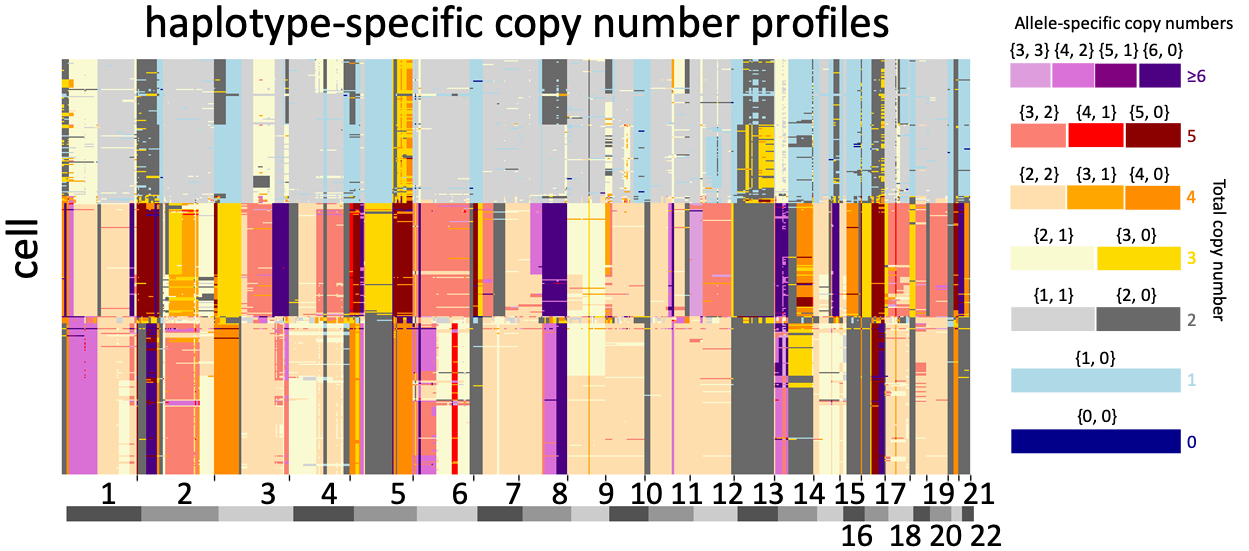
GReinSS achieves state-of-the-art results in detecting copy number variants in single-cell DNA sequencing of tumors (Genome Biology 2025, GitHub). The copy number profile of each cell is defined as the latent state, and the read depth and B-allele frequency measurements on each cell are defined as the observation. GReinSS then models the entire evolutionary process of generating all mutations on all cells of the sample, in order to find the most coherent CNVs across all cells. GReinSS outperforms existing methods across varying cancer types and remains effective on data with coverage as low as 0.005x.
Isoform Discovery from Transcriptomics
Modeling in Tumor Phylogetics
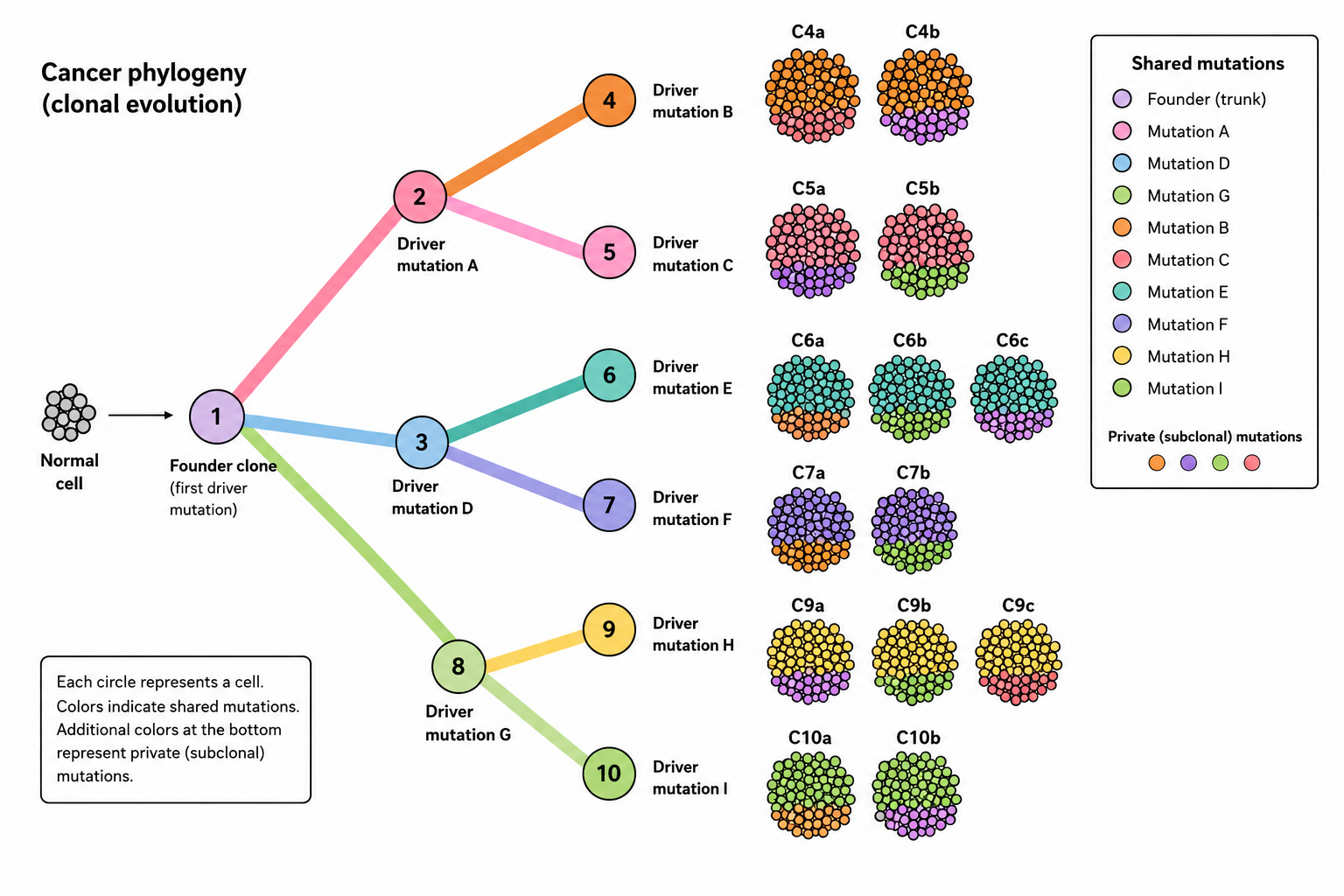
GReinSS achieves state-of-the-art results in phylogenetic modeling of tumors across patient cohorts (Genome Research 2023, GitHub). For each patient, the unknown evolutionary tree (phylogeny) is defined as the latent state, and the sequencing data is defined as the observation. GReinSS learns patterns of causality across mutations in order to form a generative model of genetic progression in cancer. This then enables analyzing the impact of mutations, predicting future mutations, and discovering the underlying evolutionary tree for each patient.
Isoform Discovery from Transcriptomics
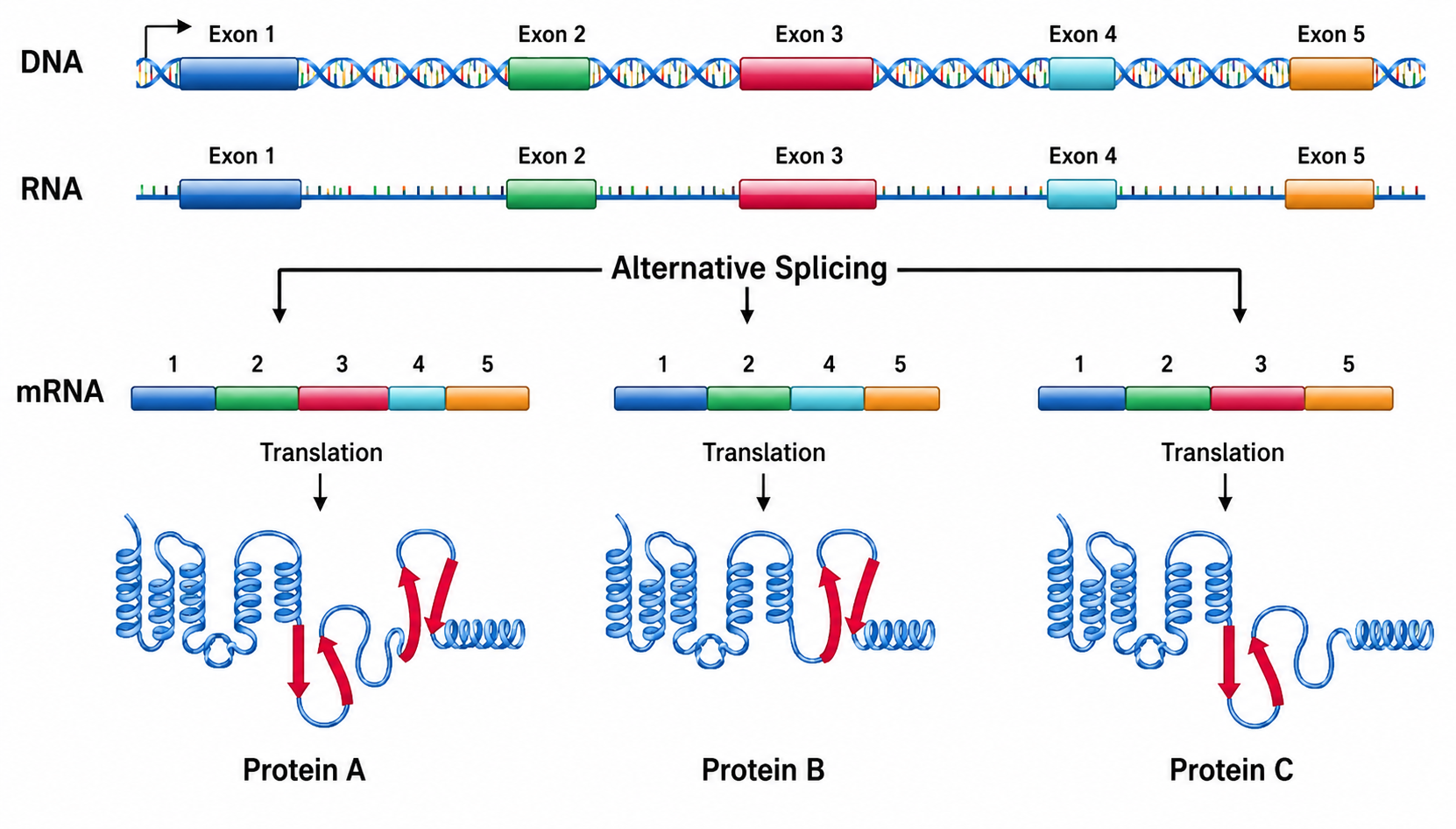
GReinSS achieves state-of-the-art results in discovering and quantifying isoforms from short read RNA-sequencing data (ICML 2026). The observations are defined to be the short-read RNA sequencing data in each sample, and the latent states are defined to be unobserved isoforms. GReinSS then learns the process of isoform generation across each gene in the genome. This enables accurate isoform discovery and quantification as verified by independent long-read RNA sequencing data.
Single-cell Transcriptomics (in progress)
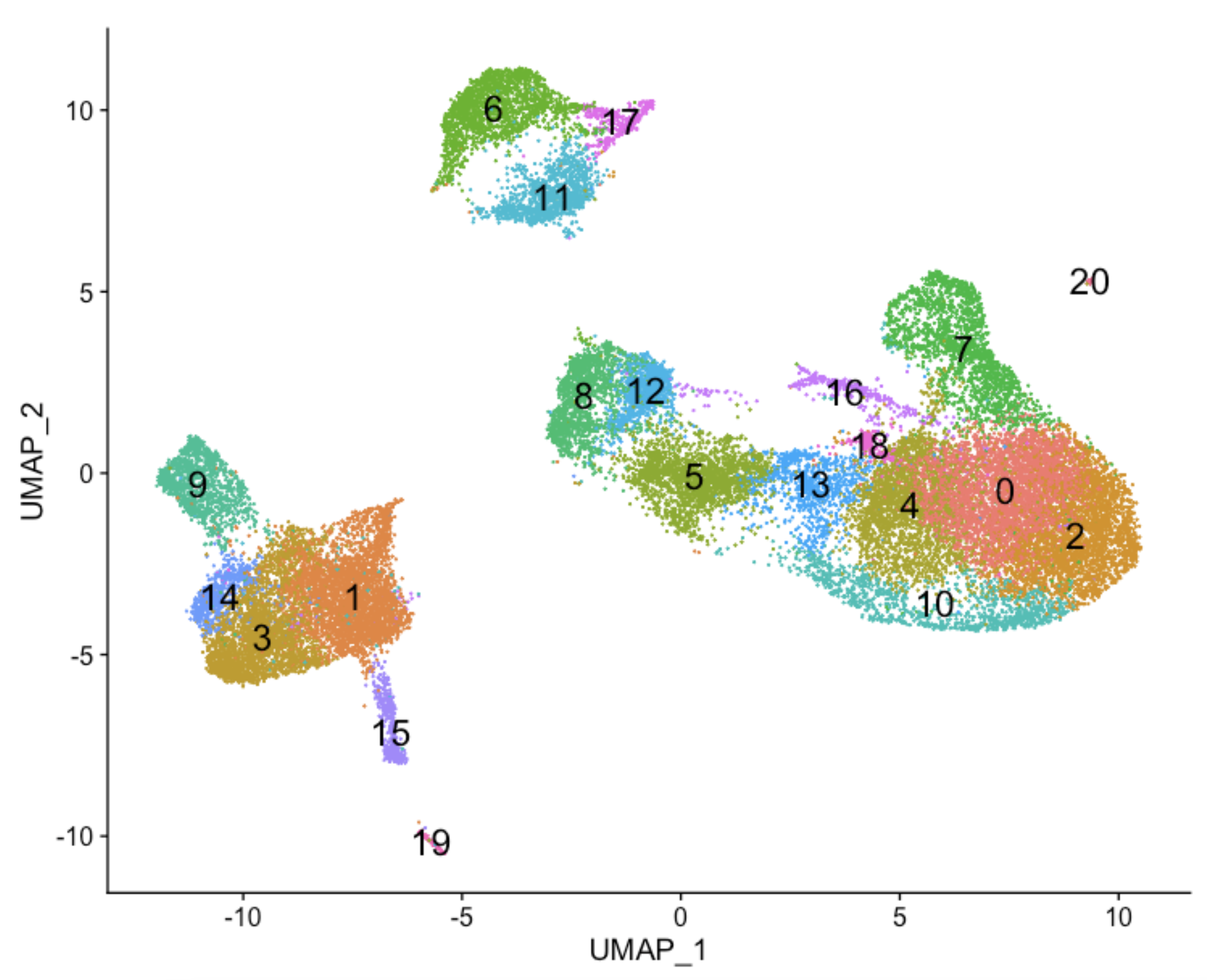
GReinSS is currently being applied to model RNA expression in single-cell transcriptomics data. We aim to enable improved cell type quantification and the discovery of novel cell subtypes.